
Views: 0 Author: Site Editor Publish Time: 2026-07-23 Origin: Site


A Cutter Suction Dredger (CSD) is a hydraulic dredging machine designed to excavate underwater materials and transport them through pipelines.
Unlike mechanical dredging equipment that removes materials using buckets or grabs, a cutter suction dredger combines:
Rotating cutter head excavation
Hydraulic suction
Dredge pump transportation
Pipeline discharge
This integrated system allows continuous underwater excavation for large-scale projects such as:
River dredging
Port construction
Land reclamation
Sand mining
Waterway maintenance
Understanding how a cutter suction dredger works helps project owners select suitable equipment based on material conditions and production requirements.
ITECH Co., Ltd. provides customized dredging equipment solutions for international customers, including cutter suction dredgers designed for different engineering environments.
Website:
Email:
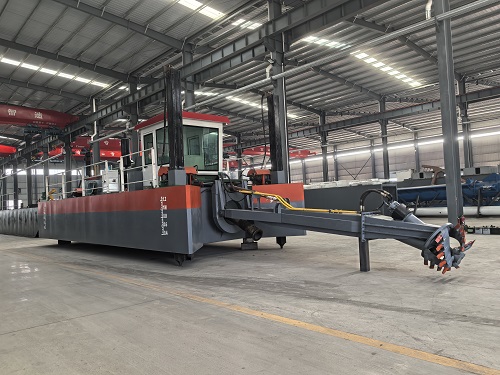
Before excavation begins, the dredger is positioned at the designated operating location.
The positioning process depends on:
Water depth
Dredging area
Soil conditions
Project requirements
Common positioning methods include:
Spud positioning systems
Anchor systems
Hydraulic positioning equipment
A stable working position allows the cutter head to maintain consistent contact with underwater materials.
The cutter ladder is a key structural component connecting the dredger body with the underwater excavation area.
During operation:
The ladder is lowered into the water
The cutter head reaches the sediment layer
The cutter starts rotating
The material is loosened
The working depth depends on:
Ladder length
Dredger design
Project requirements
The cutter head performs the first stage of excavation.
Its main function is to break compact underwater materials into smaller particles.
The cutter head can work on:
Sand
Clay
Mud
Compact sediment
Mixed soil
Different cutter designs are selected according to material hardness.
For example:
Sand excavation may require different cutter teeth compared with hard clay conditions.
After cutting, loosened materials mix with surrounding water.
This creates a slurry mixture consisting of:
Excavated soil particles
Water
Sediment materials
The concentration of this mixture affects:
Pumping efficiency
Pipeline transportation
Production capacity
Proper slurry control is important for stable dredging performance.
The dredge pump is responsible for moving the slurry from the cutter head area.
The suction process involves:
Creating negative pressure
Drawing slurry into the suction pipe
Transporting material through the pump
The dredge pump is one of the most important components affecting:
Pumping distance
Production output
Energy consumption
After passing through the dredge pump, the slurry enters the discharge pipeline.
Pipeline transportation depends on:
Pipeline diameter
Pump capacity
Material density
Transportation distance
For large projects, pipelines may extend hundreds or thousands of meters to reach the discharge area.
The final stage is placing dredged materials at the required location.
Discharge areas may include:
Land reclamation zones
Storage areas
Construction sites
Sediment disposal locations
The discharge method depends on the project purpose.
The cutter head is the excavation tool of a CSD.
Its functions include:
Breaking underwater soil
Loosening compact materials
Preparing materials for suction
Different cutter types are selected based on:
Soil hardness
Excavation depth
Production targets
The dredge pump transfers the slurry mixture through the pipeline.
Important pump factors include:
Flow capacity
Pressure performance
Wear resistance
A suitable pump configuration improves overall dredging efficiency.
The pipeline system connects excavation and discharge operations.
It controls:
Material transportation distance
Slurry movement
Project layout flexibility
Pipeline design should consider:
Pipe diameter
Pressure loss
Operating conditions
The positioning system keeps the dredger stable during operation.
Main functions include:
Maintaining working position
Supporting cutter movement
Improving excavation accuracy
Stable positioning is especially important in rivers, lakes, and offshore projects.
The hydraulic system drives major working components.
It provides power for:
Cutter rotation
Ladder movement
Winch operation
Position adjustment
A reliable hydraulic system supports continuous dredging operations.
The type of underwater material directly affects equipment selection.
Important factors include:
Soil hardness
Particle size
Sediment composition
Different materials require different cutter and pump configurations.
Maximum dredging depth influences:
Ladder design
Pump selection
Equipment configuration
Deep dredging projects require specialized equipment designs.
Long-distance material transportation requires careful calculation.
Factors include:
Pump power
Pipeline diameter
Slurry concentration
Project owners should evaluate:
Required daily output
Project completion schedule
Operating hours
The correct dredger size helps balance investment and production needs.
Cutter suction dredgers are widely used for:
River channel maintenance
Sediment removal
Navigation improvement
Continuous hydraulic excavation makes them suitable for large-volume projects.
Ports require regular dredging to maintain navigation depth.
Applications include:
Harbor expansion
Channel deepening
Sediment removal
CSDs play an important role in creating new land areas.
The process involves:
Excavating underwater materials
Transporting soil through pipelines
Depositing materials at reclamation sites
Cutter suction dredgers are commonly used for underwater sand extraction.
They provide:
Continuous production
Efficient material transportation
Flexible operation
A professional dredging equipment manufacturer should understand:
Different geological conditions
Project requirements
Equipment configuration
Different projects require different designs.
Customization may include:
Dredging depth
Pump capacity
Cutter configuration
Pipeline system
Dredging equipment requires long-term technical support.
Important services include:
Installation guidance
Spare parts supply
Operation training
Maintenance support
ITECH Co., Ltd. provides cutter suction dredger solutions for different project requirements.
The company focuses on:
Cutter suction dredgers
Dredging systems
Engineering-based equipment solutions
Website:
ITECH equipment can support applications including:
River dredging
Mining projects
Port development
Waterway maintenance
The company works with customers to configure suitable dredging solutions based on actual site conditions.
A cutter suction dredger uses a rotating cutter head to loosen underwater materials, then uses a dredge pump to transport the slurry through pipelines.
Cutter suction dredgers can handle:
Sand
Clay
Mud
Gravel
Sediment
The equipment configuration depends on material hardness and project requirements.
A cutter suction dredger uses hydraulic suction and continuous pipeline transportation, while some traditional dredging methods rely on mechanical excavation.
Selection should consider:
Dredging depth
Material type
Required production capacity
Transportation distance
How Does a Cutter Suction Dredger Work, Cutter Suction Dredger Working Principle, Cutter Suction Dredger Manufacturer, Hydraulic Dredging Equipment, CSD Dredger, River Dredging Equipment, Sand Mining Dredger, Dredging Pump System, Pipeline Dredging Equipment, China Dredging Equipment Supplier

